in 1997, thailand experienced a major financial crisis. this crisis not only had a profound impact on the thai economy, but also provided important lessons for the global economy. especially in the real estate sector, the outbreak of the crisis has cost many investors dearly. this article will deeply explore the lessons learned from thailand’s 1997 financial crisis on real estate, with a view to providing a useful reference for future investors.
the roots of thailand's 1997 financial crisis can be traced back to the early 1990s. at that time, thailand's economy was developing rapidly and attracted large amounts of foreign investment, especially in the real estate sector. however, excessive borrowing and speculation caused the market bubble to continue to expand. finally, in july 1997, the thai government decided to float the currency, which led to the depreciation of the thai baht and capital outflows, and the financial crisis broke out.
as the financial crisis intensified, thailand's real estate market experienced severe fluctuations. many real estate development projects have been stalled due to broken capital chains, and housing prices have fallen sharply, causing a large number of investors to face huge losses. according to statistics, thai real estate prices fell by approximately 50% between 1997 and 1999. this phenomenon warns investors that excessive reliance on credit and speculation are important causes of market collapse.
an important lesson from thailand's 1997 financial crisis is that investors should carefully control leverage in real estate investments. excessive borrowing can lead to significant risks in times of market volatility. investors should reasonably evaluate the leverage ratio based on their own financial situation and market environment to ensure that they can still withstand losses during an economic downturn.
during the financial crisis, many investors failed to fully study market trends and risks and blindly followed suit. the case of thailand reminds us that detailed market research and risk assessment must be conducted when investing in real estate. investors should pay attention to economic data, policy changes, market supply and demand and other factors to reduce investment risks.
thailand's financial crisis also demonstrated the importance of portfolio diversification. investors who concentrated on a single market or asset class suffered heavy losses during the crisis. in order to reduce risks, it is recommended that investors consider different regions and different types of assets when investing in real estate to improve their ability to withstand market fluctuations.
thailand's financial crisis stems in part from policy mistakes and changes in the economic environment. investors should always pay attention to changes in macroeconomic policies and market environment and adjust investment strategies in a timely manner. especially when policy directions change, flexible response can help investors avoid potential risks.
thailand's 1997 financial crisis has provided important lessons for the global real estate market. when investing in real estate, investors should carefully control leverage, pay attention to market research and risk assessment, establish a diversified investment portfolio, and always pay attention to policy changes and the economic environment. by learning lessons from history, investors can better seize opportunities and avoid risks in the future real estate market.
- Latest articles
- Parameters And Deployment Suggestions For Optimizing The Performance Of Cambodian Cloud Servers For E-commerce Scenarios
- Why Companies Choose Huawei Cloud Server Vietnam For Southeast Asian Market Expansion
- Why Enterprises Choose To Access Hong Kong Servers And Bypass Japan’s Hybrid Cloud Strategy
- Interpretation Of Malaysia Unicom’s Serverless Service From An Operator’s Perspective: Common Causes And Division Of Responsibilities
- Security Control List Helps Enterprises Maintain Access Control For Servers Hosted In The United States
- Construction And Maintenance Why You Should Pay Attention To The Service Provider SLA When Renting A German Server Dedicated Line
- Technical Prevention Improves The Ability Of Enterprises To Resist Attacks Related To Video Of Thailand Computer Room Fraud Incident
- Integration Of High-defense And Native IP, Taiwan Vps Native IP, Detailed Explanation Of High-defense Cloud Host Security Strategy
- How Is It Possible To Improve Thailand Vps Speed In All Aspects From DNS To Route Optimization?
- Korean Sk Cloud Server Acceleration Optimization Case In The Game And Video Industry
- Popular tags
-

In-depth Discussion On The Unfinished Situation Of Thailand's Real Estate Under The Financial Crisis
Explore the impact of the financial crisis on the unfinished real estate in Thailand, analyze the causes and current situation, and provide investment advice. -
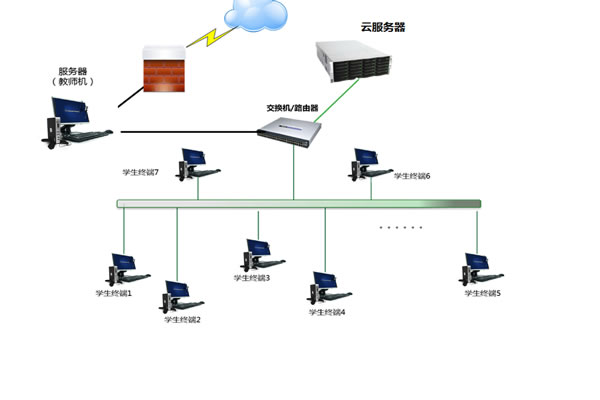
The Best Choice And Usage Guide For Renting A Server In Thailand
this article provides a guide to the best choices and usage of renting a server in thailand to help you understand how to choose and use a server that suits your needs. -

Case Sharing: The Improvement Of Operation And Maintenance Efficiency Brought By Thailand IDC Computer Room Hosting
This article shares a typical case of IDC computer room hosting in Thailand, analyzes the path to improving operation and maintenance efficiency, implementation key points and risk control of computer room hosting, and is suitable for reference by enterprises when deploying in Southeast Asia.